
No products in the cart.: $0.00
Wild Toro 3 Slot proti Klasické kasinové možnosti Proč UK volí inovace
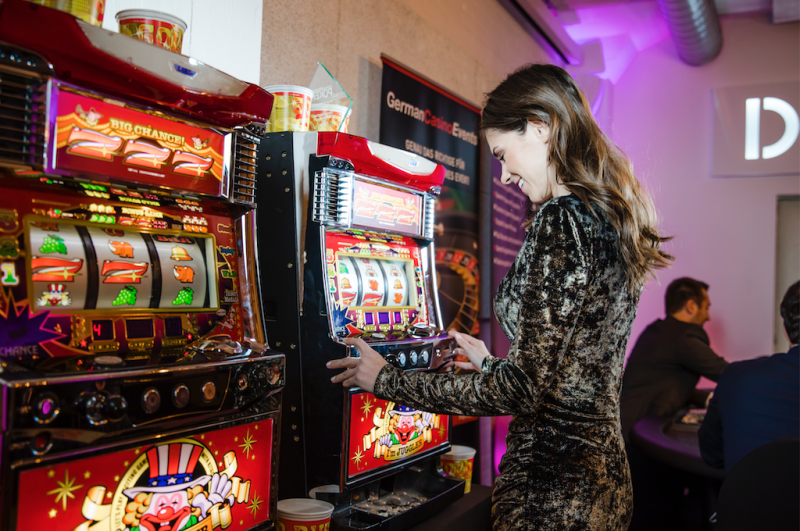
Online gambling v Británii se posunul zásadně během posledních deseti let, poháněn regulačním prostředím, které nutí technickou inovaci při zachování pevné ochrany hráčů https://wildtoro3.net/. Hra Automat Wild Toro 3 demonstruje, jak tvůrci nyní znovu objevují slotové hry pro skupinu zrozenou na obrazovkách. Klasické mechanické automaty, které zaplňovaly přímořské herny a pouliční sázkové kanceláře, nabízely hráčům jednoduchou smyčku: vsadit peníze, zatáhnout za páku, sledovat výsledek. Současné videoautomaty to ignorují úplně. Konstruují narativy, začleňují dynamické algoritmy a nacpávají je interaktivními bonusy, které komplikují rozeznání mezi hrou a gamblingem. Británie je patří k nejvybíravějších trhů světa a zákazníci zde inklinují k automatům, které překračují obyčejné točení válců. Tato preference zrcadlí větší kulturní posuny: lidé chtějí podívanou, která ocení soustředění, dává najevo dovednost a poskytuje show spolu s rizikem. Srovnání čerstvé novinky jako automat Wild Toro 3 proti klasickému kasinu ukazuje, jakým směrem se odvětví ubírá a z jakého důvodu britští hráči staví na novinky před tradice.
The Evolution of Slot Mechanics From Physical Reels to Algorithmic Storytelling
Traditional slot machines ran on brute mechanical probability. Physical reels stopped at points dictated by gears and levers. The experience was repetitive and predictable: insert coin, pull lever, see what lands. No tale, no sense of progression, no feeling of agency beyond the initial stake. The switch to digital broke those barriers. Games like Wild Toro 3 lean on advanced random number generators that power complex mechanics: symbols cascade, wilds spread across the grid, and features remember your progress from one session to the next. The maths inside these titles does more than spit out wins and losses. It shapes the emotional rhythm of a play session, balancing near‑misses, small returns, and the anticipation before a bonus fires. That turns a gambling device into something closer to an interactive show that fights for screen time with video games and streaming platforms. The algorithms stay invisible, but they influence everything the player feels.
The Importance of Volatility and Return to Player in Modern Design
A modern slot’s core is a precise mathematical framework that ties risk to reward. Volatility, often called variance, defines how regularly and how much a game pays out; Return to Player (RTP) gives the calculated long‑term payback percentage. Conventional casino slots usually operated on low volatility. They spat out frequent small wins to maintain people glued to the seat. Wild Toro 3 and its contemporaries frequently utilize high‑volatility models: long dry stretches, then sudden big payouts. That makeup draws anyone chasing drama and the outside chance of a day‑changing hit. UK rules require operators to publish RTP figures openly, and British players have got wise to these numbers, leveraging them when they pick a game. That openness has driven studios to develop slots that are not only fun but provably fair. In this landscape, mathematical honesty appeals, and developers treat it as a advantage rather than a task.
The way Adaptive Mathematics Shape Player Sessions
The most advanced contemporary slots integrate adaptive models that influence the distribution of features during a session without ever moving the fixed RTP. These systems are able to detect when a player appears about to leave and may boost near‑miss events or small bonus triggers to stretch engagement. This attracts criticism from some consumer watchdogs, but in the UK the practice is still legal as long as the stated RTP remains constant and nothing tricks the player into thinking a win is close when it isn’t. Wild Toro 3 packs in choice‑driven bonus rounds that give players a sense of control, even though the random number generator still determines every shot. The psychological impact is real: players value more outcomes they believe they nudged, despite the maths staying fully deterministic. That blend of agency and chance marks one of the sharpest breaks from classic slot design, where the player was a spectator from the instant the lever dropped.
The Rules Guiding UK Slot Innovation
Britain runs one of the world’s most complete gambling frameworks, and, oddly enough, that rigid system has spurred innovation by establishing bright lines that studios can work inside. The Gambling Commission’s technical standards mandate strict randomness, impartiality, and openness, while advertising codes rein in how products can be presented to people at risk. Those boundaries have pushed developers towards concepts that enhance entertainment rather than exploit psychological weak spots. Wild Toro 3, like every legal title offered to UK players, must prove it meets those rules before it reaches a single screen. The regulatory focus on keeping players safe has built a market where quality and innovation distinguish products more effectively than aggressive monetisation strategies ever could. That’s a sharp comparison with lighter‑touch jurisdictions where predatory design still flourishes. British players receive a market where innovation operates in their favour, not just the operator’s, which builds a durable system that old‑school casino models could never match.
Player Protection Tools Built into Modern Platforms
Online platforms that host games like Wild Toro 3 must now include comprehensive safer‑gambling features that were completely missing from the traditional casino floor. Deposit limits, session time reminders, reality checks, and self‑exclusion tools are now essential parts of the UK digital gambling offering. These tools embody a category of innovation that places customer welfare next to commercial goals. Building them straight into the playing screen means player safety isn’t an afterthought; it’s embedded in the product. A physical casino could offer some of these protections through staff, but the uniformity and confidentiality of automated digital systems are a genuine step forward. For British punters who want excitement and a protective layer, this mix of protective tech inside inventive games provides real reassurance that the industry can develop without leeching out the spark that makes a wager worth taking.
- Mandatory deposit limit settings before gameplay can start
- Automated reality check pop-ups at customisable time intervals
- Single-click self-exclusion options covering multiple operator platforms
- Clear session history and expenditure tracking interfaces
- Rest periods that temporarily pause account access
Visual and Sound Design as Primary Session Drivers
Traditional casino slots used flashing bulbs and tinny chimes to announce wins. That sensory language grew out of the loud, chaotic world of physical gaming floors. Digital space strips all those limits away, letting studios build audiovisual worlds impossible to replicate with metal and reels. Wild Toro 3 runs with that freedom. Animated characters, shifting lights, and a soundtrack that adapts to what happens on screen transform each session into a miniature performance. The visuals borrow from cartoons and cinema, steering your eye and building emotional spikes that land right when a bonus triggers or a big win hits. Sound has moved from a few beeps to layered environments where every tap and spin delivers a satisfying bite, locking in a feeling of progress. UK consumers are used to polished media everywhere, so these qualities aren’t window dressing; they’re an element of the price of entry. A slot that appears and feels tired will lose the fight no matter how loose its maths.
Character-Driven Narratives and Stylistic Depth
Giving a slot machine a recurring cast and a story arc moves far away from the nameless cherries and playing‑card suits of the mechanical age. Wild Toro 3 grows out of an existing character world, with the bull front and centre as both mascot and mechanical pivot. That character-led approach creates emotional hooks that go past the money, giving players a reason to come back that has nothing to do with a payout. Thematic richness creates doors for seasonal refreshes, sequels, and cross‑promotions that were unthinkable when machines were just metal boxes. British audiences, soaked in storytelling from novels to binge‑worthy TV, have taken warmly to games that offer narrative sense alongside the gamble. The spread of character-led slots suggests that the sector’s future won’t be found in stripping things back to bare maths but in packing on layers of meaning that make the whole thing feel like more than a bet.
Community Aspects and Social Interaction in Single-Player Gaming
Traditional slot play stayed firmly solitary, though a room filled with other gamblers stood side by side in a casino. The online realm has integrated social layers that alter the experience without changing its core as a game of pure chance. Leaderboards, tournament formats, and shared jackpot pools foster a sense of shared participation that numerous players find appealing. Wild Toro 3 gets a boost from forum discussions and social media conversations where fans swap impressions, celebrate victories, and debate feature set‑ups. Those exchanges don’t affect the outcomes, but they enhance the whole experience by inserting an individual spin into a larger community tale. British players, especially the younger crowd, have grabbed hold of these community bits, seeing slot discussions as something to share rather than something to keep secret. That shift towards communal gaming marks a sharp move away from the anonymous, transactional nature of the classic casino setting.
Mobile Optimisation and the Reduction of Brick-and-Mortar Dependency
The transition from bricks‑and‑mortar casinos to mobile-centric platforms is arguably the greatest transformation in how UK users engage with slot entertainment. Conventional choices demanded a real-world journey, incurring travel costs, time, and the friction of being in a public space. Wild Toro 3 and its peers are designed for phone screens from day one: intuitive touch controls, portrait-oriented layouts, and data‑light performance that holds up on inconsistent network coverage. That reach has stretched the audience for slots and concurrently dismantled the barriers that a venue visit once created. The ease of mobile play introduces real worries about impulsive behaviour and the gradual erosion of natural stopping points, and UK regulators keep pressing for digital-specific measures. All the same, the shift toward mobile-first, inventive slots over a trip to a nearby casino mirrors the same trajectory as other on-demand digital services. The brick-and-mortar casino won’t vanish, but it now competes against a mobile-based competitor that delivers a comparable rush without requiring anyone to leave the sofa.
Multi-Platform Consistency and Cloud-Based User Accounts
Today’s slot ecosystems allow players switch from one device to another and pick up exactly where they stopped, with game state, preferences, and loyalty rewards all intact. Launch a session of Wild Toro 3 on a desktop over lunch, carry on via a smartphone on the train home: without interruption. That kind of continuity was unthinkable when slots were physical boxes and every session stood alone. Cloud‑based player profiles also support personalised game suggestions, tailored bonus offers, and safer‑gambling settings that move with the user across every touchpoint with an operator. The backend tech that makes this achievable represents a major investment in systems that traditional casino operators never had to think about. For UK consumers who already anticipate their banking, streaming, and messaging to work across every screen, the assumption of continuity has shifted from a bonus feature to a basic requirement.
- Instant game state synchronisation across desktop, tablet, and mobile devices
- Integrated wallet systems that preserve balance accuracy across platforms
- Standardised responsible gambling settings applied regardless of access point
- Cloud-stored preferences for sound, graphics quality, and gameplay speed
- Multi-device loyalty point accumulation and reward redemption
Bonus Rounds and the Game-Like Design of Luck
The bonus game now defines the contemporary video slot. It’s the instant the base game steps aside and delivers the moments players recall. Classic machines might have included a basic double‑or-nothing gamble or a set of free spins, but those were blunt instruments next to the multi‑stage interactive sequences that occupy today’s titles. Wild Toro 3 works in walking wilds, respin engines, and feature unlocks that create a feeling of drive and progression. These features draw heavily from video gaming design: milestone-based achievements, graphic feedback systems, and prizes that seem earned. That game-like approach raises tricky questions about where the game ends and gambling begins, and regulators in the UK closely monitor on that border. Even so, UK consumers undoubtedly want more rewarding bonus systems, and they seek them right away. Players expect their gaming screen time to match the richness and engagement they experience from every other digital hobby.

- Traveling wild features that move across reels with each spin
- Multi-tier bonus features with escalating reward potential
- Continuous state systems that remember progress across sessions
- Decision-based features that generate an illusion of player influence
- Progressive jackpot integrations that tie multiple game sessions
The Economic Calculus Comparing Innovation Costs to Conventional Overheads
Viewed through an operator’s spreadsheet, the costs of running inventive digital titles bear no similarity to the overheads of a brick-and-mortar casino. A land‑based venue sinks capital into property, security, staff, and location‑specific compliance. Digital platforms carrying games like Wild Toro 3 face a distinct set of bills: software licences, server farms, payment processing, and affiliate marketing. Those varying cost profiles shape the kinds of experiences each model can maintain. A standard casino pushes for maximum machine density and fast play cycles. A digital operator can afford longer sessions and more intricate features because the marginal cost of one extra spin approaches zero. In the UK, money has flowed significantly into digital operations, a signal that investors believe clever online products will deliver better long‑term returns than brick‑and‑mortar venues. That financial pull secures that development cash keeps chasing titles that stretch technical and creative limits, not ones that re‑heat a standard mechanical format.
Slot gaming in the United Kingdom is headed strongly toward more invention, with games like Wild Toro 3 standing as the current high‑water mark of a form that will keep changing. Traditional casino outings still grab their share, delivering a tactile buzz and a social hum that screens fail to copy. But the reach, variety, and sheer entertainment weight of modern video slots have captured a market that prizes both technical smarts and tough consumer safeguards. The UK’s rulebook has built conditions where new ideas and responsibility move forward side by side, turning out products that hook without hurting. As developers explore virtual reality, skill‑based touches, and deeper narratives, the gap between old and new will only yawn wider. British consumers are not just picking new over old. They are choosing between two very different visions of what gambling entertainment can deliver, and what it ought to look like when the reels stop spinning.
